Practice of the Month
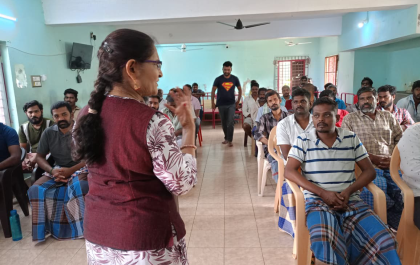
ISCM and Puducherry SCC promotes Yoga & Music Therapy for De-addiction 
The Institute of Salutogenesis and Complementary Medicine (ISCM) of Sri Balaji Vidyapeeth (SBV), in association with the Mother Care Foundation (MCF)—a centre for alcohol and cannabis de-addiction and rehabilitation; organised and conducted an awareness program on de-addiction and rehabilitation — in collaboration with the Indian...
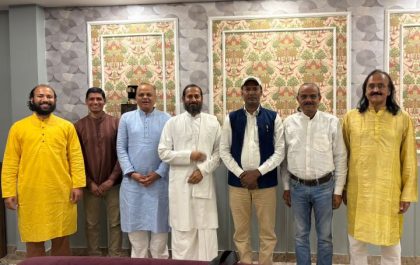
Bihar SCC convenes meeting, adopts strategic resolutions 
he Bihar State Chapter Committee of the Indian Yoga Association convened its meeting on 27 February 2026 from 5:00 pm to 7:00 pm at Energy Yoga Healing Centre, Patna. The meeting was attended by all newly appointed Executive Committee members and focused on strengthening the...
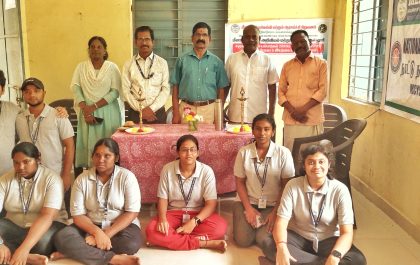
MAHER spearheads community wellness initiative 
Reaffirming its commitment to community well-being and the propagation of yoga, the Faculty of Yoga Sciences and Therapy (FYST), Meenakshi Academy of Higher Education & Research, Chennai — an Associate Centre of the Indian Yoga Association — conducted a five-day Social Service Activities and Free...
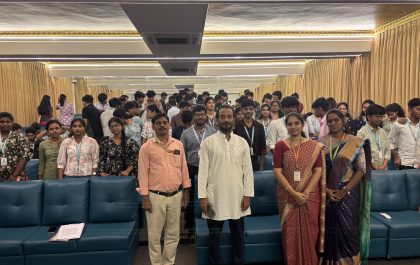
Oordhvam Yoga marked National Youth Day with inspiring workshop at SIMATS, Chennai 
On the occasion of National Youth Day, Dr. Kaushik R, Founder of Oordhvam Yoga, an Associate Centre of the Indian Yoga Association, delivered an inspiring one-day workshop titled “Elevate Your Well-Being: Tools for Calm Minds, Healthy Bodies & Stronger Connections.” The session took place at...
Yogis Foundation successfully held yoga and meditation camp in Ambasamudram 
The Yogis Foundation successfully held a two-day Yoga and Meditation Camp on 7th and 8th February 2026 at the Yogis Meditation Center, Ambasamudram, Tirunelveli District, Tamil Nadu. The camp witnessed enthusiastic participation from aspirants and yoga practitioners representing various regions across the state. Designed as...
S V Yogalaya, Chennai celebrates Republic Day, Ratha Saptami and hosts insightful Tapas Yoga Club session 
S V Yogalaya, Arumbakkam, Chennai, an Associate Centre of the Indian Yoga Association, marked significant occasions with devotion, discipline, and yogic awareness through a series of meaningful programmes. On the occasion of Republic Day, a grand archery event was organized at S V Yoga Center,...
YogaPeace Sansthan organises “Anandam” programme to promote joyful living through yoga in rural Nepal 
Under the joint aegis of YogaPeace Sansthan and the Indian Yoga Association, an inspiring yoga-awareness programme titled “Anandam – How to Live Joyfully in Life” was successfully organized at Tribhuwan Higher Secondary School, Shankar Pokhari 33400, Ward No. 3, Pakhar Chor Parvat, Nepal. The programme...
Grand celebration of the 11th Surya Namaskar Vinyasa in Mumbai with over 200 participants 
Swayamsiddha Yoga, an Associate Centre of the Indian Yoga Association, successfully organized its 11th Surya Namaskar Vinyasa with great enthusiasm and participation. Dedicated to the promotion of yoga for the past 30 years, the institution conducted this grand event under the able guidance of Yogacharya...
Art of Living with Gujarat SCC successfully organizes Yoga Mahotsav 
In a vibrant celebration of yoga and collective wellness, the Art of Living, in collaboration with the Indian Yoga Association – Gujarat Chapter, successfully organized Yoga Mahotsav at Deesa, Gujarat. The grand event witnessed the enthusiastic participation of more than 300 yoga practitioners and wellness...
Universal Peace Foundation conducts series of spiritual, educational and national events at Thirumoorthi Hills 
The Universal Peace Foundation, an Associate Centre of the Indian Yoga Association, organized a series of spiritually enriching, educational, and nationally significant programmes during January and February 2026 at its Gnanapeedam, Thirumoorthi Hills. These events reflected the Foundation’s continued commitment to youth empowerment, spiritual awakening,...


Book your PRINT copies

[wpforms id=”2536″ title=”false” description=”false”]
10 Mar 2026

Blog

Correlations between Panch Tatva of Nature, Human Body & Yoga
Articles, Yoga Events & Activities

Correlations between Panch Tatva of Nature, Human Body & Yoga 

– Dr.Deepika Rawal, Life Member

The correlation between the five elements of nature, the human body, and yoga is often explored in Ancient philosophies, particularly Indian traditions such as Ayurveda and yoga. These traditions believe that everything in the universe is interconnected, and the elements play a crucial role in maintaining balance and harmony. These elements are Earth (Prithvi), Water (Jala), Fire (Agni), Air (Vayu), and Ether or Space (Akasha).
Here’s a brief exploration of the correlations:

  1. Earth (Prithvi):

Nature: The Earth element is associated with stability, grounding, and solidity. It represents the physical and material aspects of the world.

Yoga outdoors – woman doing Ashtanga Vinyasa Yoga asana Virabhadrasana 1 Warrior pose posture in HImalayas mountains on sunset

Human Body: In the human body, the Earth element corresponds to the solid structures like bones and tissues. It symbolizes the foundation and support for the other elements.

Yoga: Practices that emphasize grounding, stability, and strength, such as standing poses (e.g., Tadasana or Mountain Pose), connect the practitioner with the Earth element. These postures help build a strong foundation and cultivate a sense of rootedness.

  1. Water (Jala):

Nature: The Water element embodies fluidity, adaptability, and the capacity for flow. It symbolizes the emotional and intuitive aspects of existence.
Human Body: Within the human body, the Water element corresponds to bodily fluids, especially blood and the circulatory system. It signifies the ability to adapt and maintain a sense of emotional balance.

Yoga: Practices that encourage fluid movements, such as Vinyasa flow, mirror the qualities of the Water element. These movements promote flexibility, grace, and a harmonious flow of energy throughout the body.

  1. Fire (Agni):

Nature: Fire represents transformation, energy, and the power of change. It symbolizes the dynamic, transformative forces in the world.

Human Body: In the human body, the Fire element corresponds to metabolic and digestive processes. It signifies the body’s ability to convert and utilize energy for sustenance and growth.

Yoga: Practices that harness the internal fire, like the practice of Uddiyana Bandha (abdominal lock) and specific breath techniques, aim to stimulate and balance the Fire element. Kundalini yoga, in particular, works with the concept of awakening the dormant spiritual energy often associated with the Fire element.

  1. Air (Vayu):

Nature: Air represents movement, breath, and the expansive qualities of the atmosphere. It symbolizes the intangible aspects of existence.
Human Body: Within the human body, the Air element corresponds to the respiratory system and the exchange of gases. It signifies the vital life force carried by breath.
Yoga: Pranayama, or breath control exercises, form a key aspect of yoga that works with the Air element. By regulating and controlling the breath, practitioners aim to balance energy, enhance mental focus, and connect with the subtle life force within.

  1. Ether/Space (Akasha):

Nature: Ether, or Space, represents the all-encompassing, expansive nature that accommodates the other elements. It symbolizes the limitless potential and the space for creation.

Human Body: In the human body, the Ether element corresponds to the internal spaces within, such as the various cavities and channels. It signifies the openness and receptivity of the body.

Yoga: Meditation practices in yoga tap into the qualities of Ether. By cultivating awareness, mindfulness, and a sense of expansiveness, practitioners connect with the boundless potential within and around them. Meditative practices often explore the space between thoughts, fostering a deep sense of presence and connection to the universe.

In summary, the philosophy behind the correlation of these elements in yoga emphasizes a holistic approach to well-being. By understanding and harmonizing these elements within the body, practitioners seek to achieve physical health, mental balance, and spiritual awakening. The practices associated with each element aim to bring about a sense of equilibrium, promoting a deeper connection between the individual and the natural world.


Related posts

Leave a Reply

Required fields are marked *