



-by Dr. Balwant Singh, Yog Master, Thane, (Maharashtra)
Introduction
Yoga, an ancient discipline with roots tracing back over 5,000 years, integrates physical postures (Asanas), breath control (Pranayama), meditation, and ethical principles to promote holistic well-being. Traditionally passed down through direct teacher-student relationships, yoga has experienced exponential global growth, evolving into both a lifestyle and a therapeutic practice. As it reaches new demographics and adapts to modern lifestyles, the demand for personalized, effective, and accessible yoga experiences has surged.
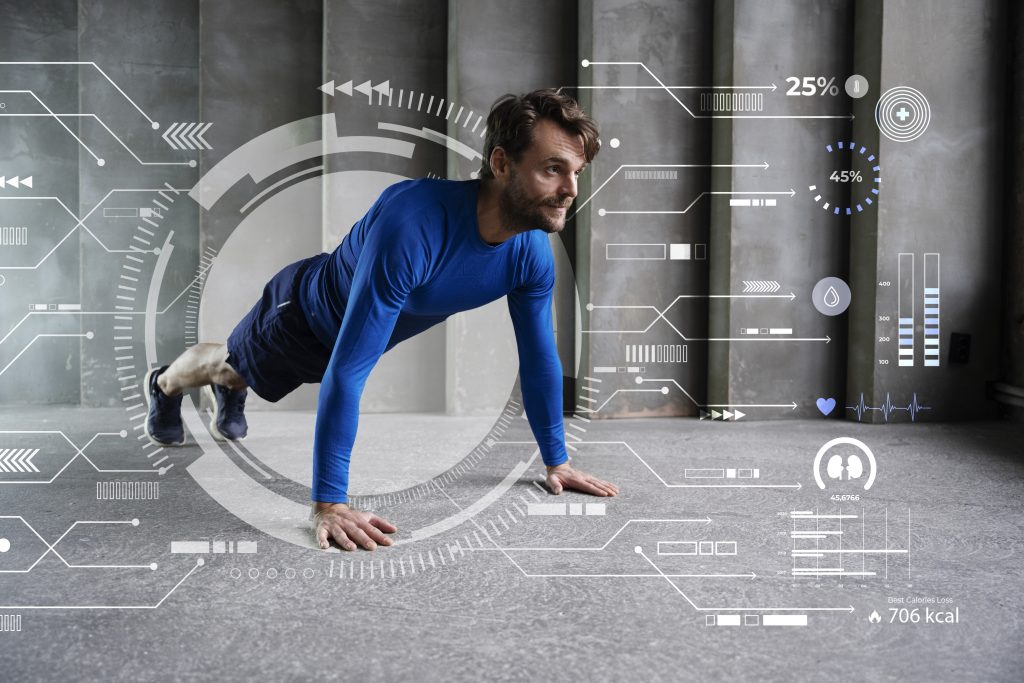
The digital era has ushered in new tools that can complement and enhance yoga’s traditional methodologies. Among the most impactful are Artificial Intelligence (AI) and Big Data. These technologies, when thoughtfully integrated, offer transformative capabilities—from individualized feedback to data-driven insights—enabling yoga to be more adaptive, inclusive, and research-backed. This article explores how AI and Big Data are reshaping the way yoga is practiced, taught, and understood.
The Integration of AI in Yoga Practice
AI’s most visible contribution to yoga lies in its ability to simulate the role of a live instructor through real-time guidance and intelligent analysis. Leveraging computer vision, deep learning, and pose estimation technologies, AI systems can detect, interpret, and respond to users’ body positions.

Real-Time Posture Correction: AI-powered yoga apps and platforms use smartphone cameras or motion sensors to analyze body alignment in real time. For instance, pose estimation algorithms can compare the user’s posture with ideal models and flag misalignments. These systems provide immediate feedback, such as “adjust your hips” or “lift your spine,” helping users refine their poses with greater accuracy and safety.
Personalized AI Yoga Coaches: Digital yoga assistants—incorporated into apps like YogaGo, Asana Rebel, and Apple Fitness+—use machine learning to customize yoga sessions. These platforms gather data on user preferences, goals (e.g., stress relief, flexibility, weight loss), and past performance to design evolving routines that adapt over time. Users receive not just static videos, but dynamic classes that change based on their feedback and progress.
Interactive and Immersive Experiences: Voice-enabled AI assistants, often integrated with smart home devices, allow users to engage in hands-free sessions. Through natural language processing, these systems can interpret voice commands and offer verbal feedback, making sessions more immersive and accessible, particularly for those with limited mobility or visual impairments.
AI for Special Populations: Specialized AI models are being developed to cater to different populations—such as seniors, people with disabilities, or individuals recovering from injury—by analyzing movement limitations and suggesting modifications for each pose, thus democratizing yoga access.
Big Data and Personalized Yoga Programs
While AI offers interaction and adaptation, Big Data powers personalization at scale by analyzing vast amounts of user-generated information. This includes data from wearables, mobile apps, biometric sensors, and user-reported feedback.
Data-Driven Customization: With data points such as heart rate variability (HRV), sleep quality, activity levels, and stress biomarkers, yoga apps can intelligently adjust session content. For example, if a user’s wearable device detects elevated stress levels or poor sleep, the app may prioritize calming techniques such as yoga Nidra, restorative poses, or breathe work.
Behavioral Pattern Analysis: Big Data can uncover patterns in a user’s practice consistency, preferred session times, and pose difficulty. These insights help apps design routines that are not only effective but also more engaging and sustainable in the long term.
Dynamic Goal Tracking: Fitness trackers integrated with yoga platforms allow for real-time progress tracking. Users receive personalized reports highlighting improvements in flexibility, endurance, or stress reduction, encouraging continued engagement and allowing instructors (if connected) to make informed decisions.
Community-Level Insights: On a macro scale, aggregated user data enables platforms and educators to spot broader trends. For instance, if a large group of users is gravitating toward yoga for anxiety management, platforms might introduce targeted programs, while instructors can adjust teaching styles or topics.
AI and Big Data in Yoga Education and Research
In educational and academic contexts, AI and Big Data provide valuable tools for both teachers and researchers:
Instructor Support and Classroom Analytics: Yoga instructors can use data dashboards that track student attendance, feedback, and performance trends. This helps them fine-tune class pacing, intensity, and structure to better serve their students’ evolving needs.
Remote Learning and Virtual Studios: AI-enabled platforms can host live or on-demand classes where students receive automated posture feedback, making distance learning more interactive. This has been especially crucial during the COVID-19 pandemic and remains essential for those in remote or underserved areas.
Scientific Research and Evidence-Based Yoga: Researchers are using Big Data analytics to explore yoga’s long-term effects on physical and mental health. By analyzing large datasets from yoga practitioners, scientists can examine correlations between regular practice and improvements in conditions such as anxiety, depression, cardiovascular health, and chronic pain.
Challenges and Ethical Considerations
While the integration of AI and Big Data into yoga offers exciting possibilities, it also introduces several ethical and practical challenges:
Data Privacy and Security: Collecting biometric and personal wellness data raises concerns around consent, data storage, and potential misuse. Platforms must comply with data protection regulations (like GDPR or HIPAA) and implement transparent data handling practices.
Algorithmic Bias and Inclusivity: AI models trained predominantly on data from specific body types, ethnicities, or fitness levels may not perform well for diverse users. It’s vital that developers include inclusive datasets and continuous learning systems to minimize bias.
Loss of Human Connection: Yoga is not solely a physical practice—it’s also deeply emotional, spiritual, and community-driven. Over-reliance on technology risks diluting these core aspects. AI should be seen as an enhancer, not a replacement for the human teacher’s empathy, intuition, and ability to create connection.
Over standardization: There’s a risk that algorithmically generated sequences might prioritize efficiency over individuality or ignore philosophical and cultural nuances. Developers must engage with experienced yoga practitioners and scholars to ensure authenticity and respect for tradition.
Conclusion
The fusion of AI and Big Data with the timeless practice of yoga represents a powerful synergy between ancient wisdom and modern innovation. These technologies enhance yoga’s accessibility, precision, and personalization, making it more adaptable to today’s fast-paced, data-driven lifestyles.
Providing real-time feedback, adaptive programs, and large-scale insights, AI and Big Data are empowering both individual practitioners and educators. However, their success depends on ethical implementation, inclusivity, and a commitment to preserving the holistic essence of yoga.
As we move forward, the key lies in balance—integrating digital intelligence with mindful presence, and allowing innovation to serve, rather than overshadow, the deep-rooted values of yoga. In this delicate equilibrium lies the true potential to expand and enrich yoga for future generations.