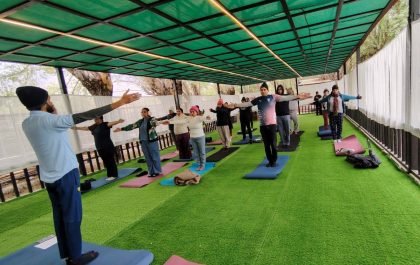


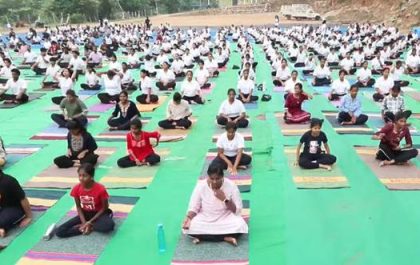


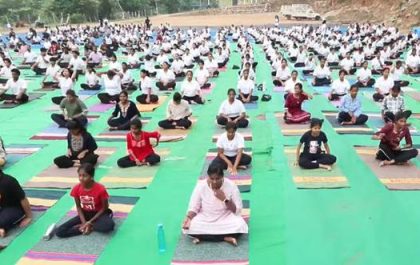
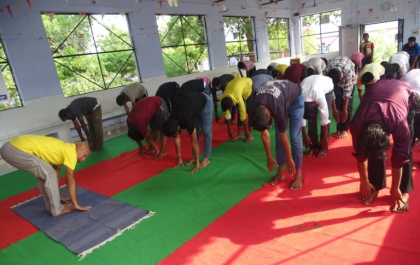


Contributions from Community
by Dr Vikas Chothe & Dr Shwetambari Chothe
MD, PhD Ayurveda Sch, FIIM, Yoga Ambassador, Lead Yoga Examiner and Assessment Expert YCB, Ministry of AYUSH
MD Homoeopath, Consultant Yoga Therapist, Founder and Director of Swasti Yoga Center
‘Bad digestion is the root of all evil,’ says Hippocrates. According to Ayurveda we are not what we eat, but also, we are what we can digest. That is why it is imperative that our digestive fire remain strong. So that the food that we eat is efficiently metabolized. Otherwise, regardless of how healthy our food choices may be, our body will find it difficult to assimilate and absorb the nutrients present in what we eat.
Common Digestive Disorders (Heya) are:
- Gastroesophageal Reflux Disease (GERD)
- Chronic Diarrhea and constipation leading to Irritable Bowel Syndrome (IBS)
- Gastric and Duodenal ulcers
- Hemorrhoids
Amongst all these disorders IBS is the most challenging one. Irritable bowel syndrome (IBS) is defined as “abdominal pain or discomfort that occurs in association with altered bowel habits over a period of at least three months, in the absence of any detectable organic cause”
Considering the pandemic situation which has increased work from home jobs, sedentary lifestyle and no physical activities for youths. Agni is deranged by excessive fasting, eating during indigestion, overeating, irregular eating, and intake of unhealthy and contaminated foods. Agni is also deranged by emaciation, faulty adaptation to place, time, and season, and suppression of natural urges. Stress levels (mano-udvega) influence one’s eating habits and lifestyle.
Common reasons for chronic digestive disorders (Heya hetu):
- Consuming animal foods, as it contains Neu5Gc that causes antigen-antibody reaction increasing risk of heart disease and cancer
- High levels of dietary salt
- Obesity and high fat diet increase Th17 cells and dysbiosis of gut microbiota
- Gluten sensitivity
- Smokers
- Those with pre-enteritis psychological stress
- Irrational use of antibiotics
- Other illness like travelers’ diarrhea
- Women
- Infectious gastroenteropathy (C. difficile infection, Shigella enteritis)
Yoga
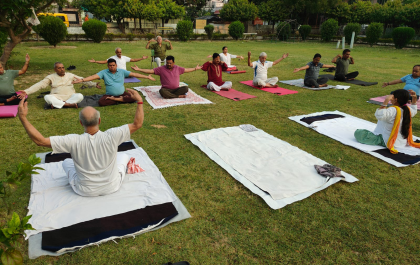
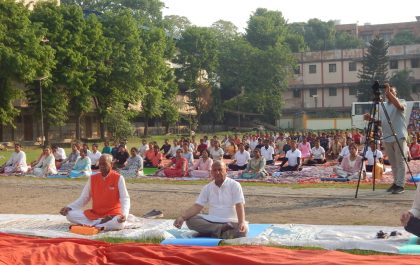
Yoga, a traditional “mind-body-breath” discipline, was derived from India about 3,500 BC. The word Yoga, in Sanskrit, is “yuj” meaning to unite the mind, body, and spirit. Yoga practices can be considered as conventional and non-conventional approaches towards management of digestive disorders. Conventional approach includes practices like asanas, pranayama, mudras, dhyana and mantra chanting Nonconventional Yoga:
Ahar:
• Mindfulness eating
• Sattvic food
• Consume fibrous foods like peas, beetroots, lentils and beans.
• Cereals such as oats are also recommended.
• Eat freshly cooked meals, avoid left overs.
• Eat fresh fruits such as apples, avocados and bananas.
• Consume probiotics like yogurt and butter milk.
• Drink plenty of water to flush out toxins.
Don/t:
• Avoid junk and oily food.
• Avoid salty, stale food
• Avoid red meat and outside street food
Vihar: avoid prayas/work stress, smoking, alcohol
Achar: Have regular sleep habits, no day sleep
Vichar: pratyahara, dharana, dhyan, chittaprasadan, karma yoga, bhakti yoga for stress management Vyavahar: Yoga for 4 weeks, daily 1 hour
Conventional Yoga therapy:
Shatkriyas (Yogic cleansing techniques)
Kapalabhati/forceful exhalation
Uddiyana Bandha and Agnisara/abdominal lock and rigorous movement of abdomen
Tongue is the mirror of digestive health. Hence dantamula dhauti (cleansing of the gums) helps in improving oral health, preventing problems like gingivitis. Poor oral health is associated with increased incidence of diabetes and heart diseases.
Asana:
Role of yoga asanas improve digestion:
- The digestive fire or agni is stimulated. This increases the appetite and balances the metabolism.
- Asanas stretch the body, massaging the abdominal muscles. This causes food to move efficiently along the digestive tract.
- Bowel movement is regulated and constipation relieved.
- Circulation of blood to the digestive organs increases, thus aiding digestion.
- Yoga asanas keep the mind active and happy. You are more likely to eat a balanced diet and this eases digestion.
- Regular practice of yoga discourages fatty deposits.
- The body is effectively detoxed. Toxins accumulated from a bad diet, unhealthy lifestyles and stress are flushed out.
- Stretching and twisting of the abdomen in Vakrasana with awareness that offers deep local rest to the abdominal viscera are emphasized; this would help in alleviating distension and pain in the abdomen.
- The relaxing and calming effects of Savasana (total relaxation) and pranayama (breath control) have been widely studied and reported. The effects of these practices provide a short-term “time out” from stress and also by creating positive physiological changes in the whole body through modulating the nervous systemi
Asanas important for digestive disorders like IBS are: Supine, prone, sitting, standing Supine:
Pawanmuktasana (wind releasing pose)

Setu bandhasana (bridge pose)

Matsyasana/fish pose

Halasana (Plough pose) Prone

Halasana (Plough pose) Prone

Makarasana (crocodile pose)

Shalabhasana/locust pose

Parivartit Shalabhasana
(modified locust pose)

Dhanurasana/ Bow pose

Vakrasana/half spinal twist
Pascimottanasana/seated
forward bend pose

Ardhakati cakrasana/half-waist wheel pose

Trikonasana/triangle pose

Breathing practices:
• Hands-stretch breathing
• Vyaghrasana/tiger pose breathing
• Shashankasana/moon pose breathing
Slow and deep breathing techniques could be used to minimize physiologic responses to stress by increasing the parasympathetic response. Left-nostril breathing has led to parasympathetic shift according to recent studies which help in reducing digestive disorders like IBS.ii
Some helpful Pranayama practices for GIT:
• Vibhagiya Svasana/sectional breathing
• NadiShuddhi pranayama/alternate nostril breathing
• Sitali/cooling pranayama
• Sitkari/cooling pranayama
• Bhramari/M-chanting
Starting affirmation (A-U-M, sound three times and OM, three times)
Dhyana/meditation: Nadanusandhana/Yoga of sound (A-U-M), OM meditation (OM)

Recent study has shown reduced stress and increased quality of sleep after 23 minutes of Cyclic Meditationiii
Closing affirmation, OM three times.
A-U-M meditation and OM meditation are included to calm down the mind. Daily Yoga home practices showed lower levels of functional disability, less use of emotion-focused avoidance, and lower anxiety in patients than other controls. Yoga modality is envisioned from the cost effectiveness in managing digestive disorders like IBS and its related comorbidities like anxiety, depression, and fatigue.
Uyterhoeven S. Yoga and the ANS—yoga therapy today—volume 2, number 3/August 2006—International Association of Yoga Therapists (IAYT) Yoga Therapy Today. 2006;2:23–25. ii Breathing through a particular nostril can alter metabolism and autonomic activities. Telles S, Nagarathna R, Nagendra HR Indian J Physiol Pharmacol. 1994 Apr; 38(2):133-7. iii Positive impact of cyclic meditation on subsequent sleep. Patra S, Telles S Med Sci Monit. 2009 Jul; 15(7):CR375-8