






A brief Report by Yogacharya Nilachal
The growing burden of addiction in modern society demands approaches that move beyond symptom suppression and address the deeper fragmentation within the human being. In this context, the Indian Yoga Association’s flagship initiative, Continuous Yoga Chikitsa Learning and Education (CYCLE), has emerged as an important platform for meaningful dialogue between traditional yogic wisdom and contemporary healthcare practices.
Conducted as a LIVE interactive educational forum on the first Sunday of every month, CYCLE brings together Yoga Chikitsa Ratnas, Acharyas, researchers, therapists, and practitioners from across the country. Over the last two years, it has evolved into a vibrant professional learning community dedicated to advancing evidence-based and holistic approaches in Yoga Chikitsa. The 26th session of CYCLE addressed a theme of profound relevance in today’s world: “Salutogenesis: Yoga and Modern Medicine in Alcohol Rehabilitation.”

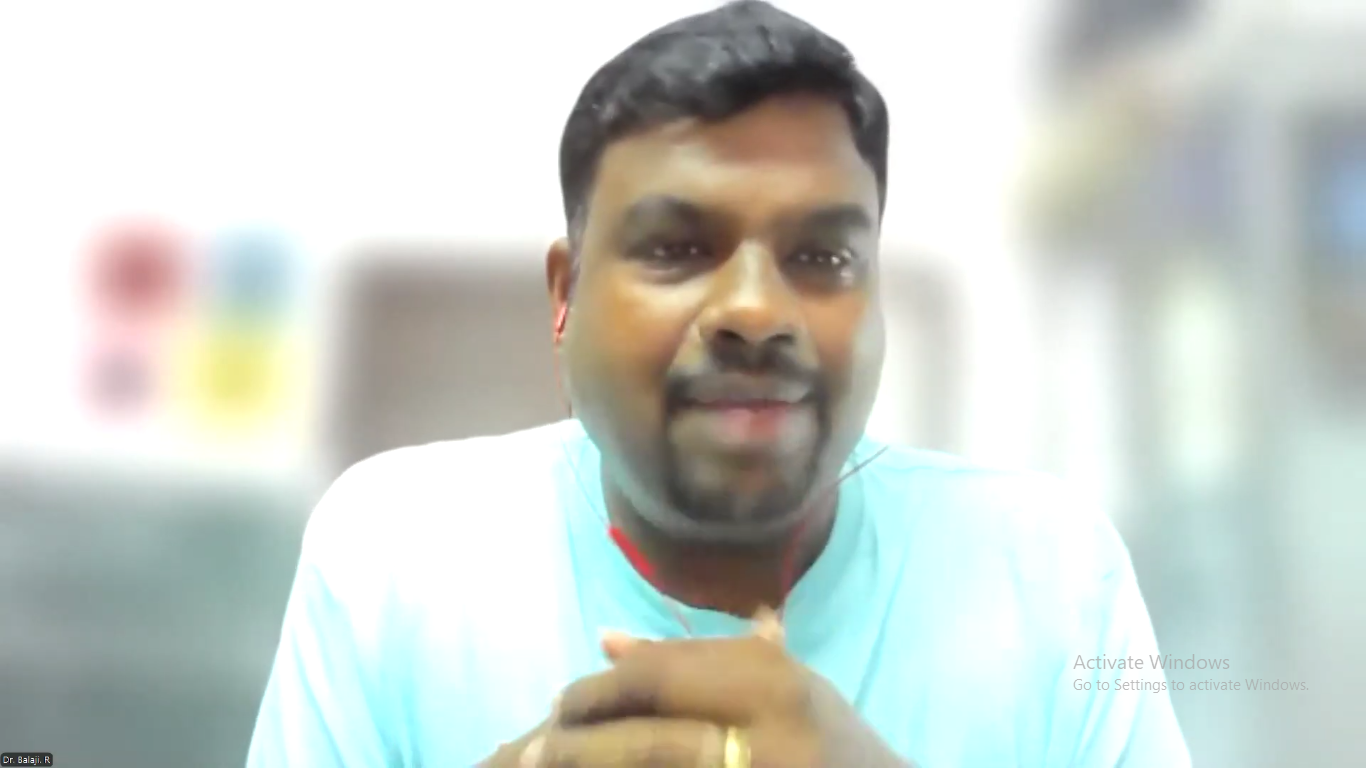
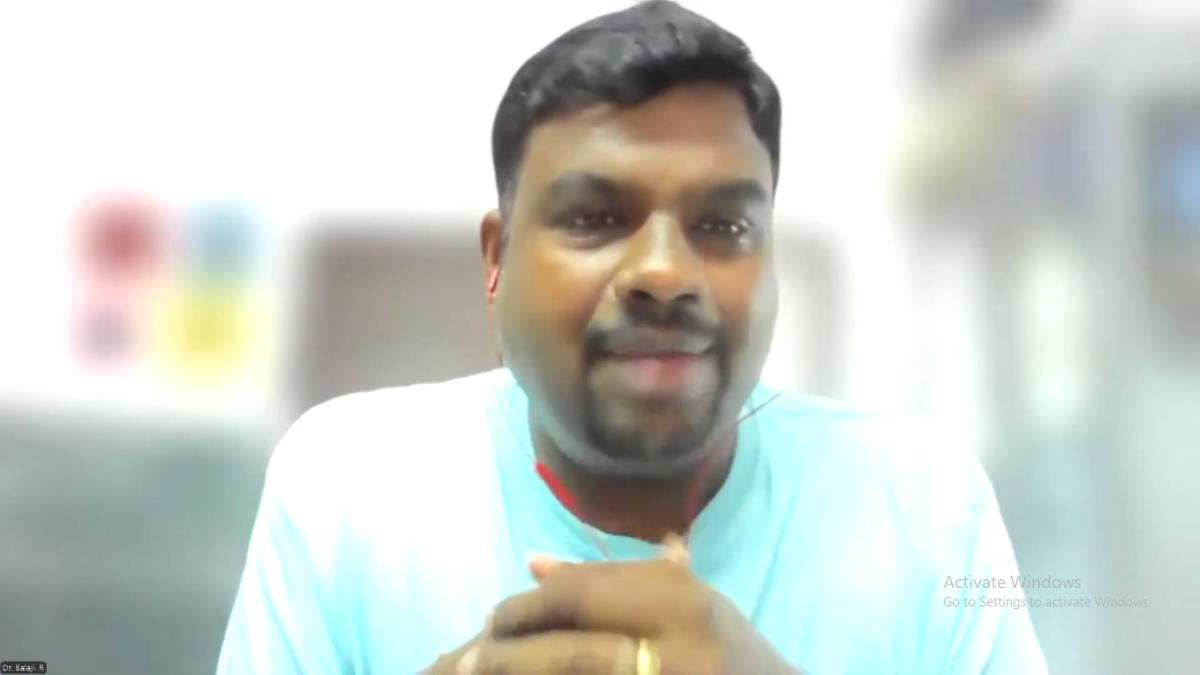
The session was delivered by Yoga Thilakam Dr. R. Balaji, a distinguished physician, yoga therapist, researcher, and educator deeply rooted in the Rishiculture Ashtanga (Gitananda Yoga) Parampara. With qualifications spanning modern medicine, alternative medicine, emergency medicine, diabetology, and yoga therapy, Dr. Balaji represents a rare integration of scientific rigor and yogic insight. Currently serving as General Secretary of the Indian Yoga Association, Puducherry Chapter, he has dedicated over a decade to integrative addiction rehabilitation through his work at Mother Care Foundation, Puducherry. His presentation reflected not merely academic expertise, but the wisdom born from years of clinical service, compassionate observation, and committed sadhana.
Addiction: Beyond the Substance
Dr. Balaji began by challenging the simplistic understanding of addiction as merely a behavioral weakness or moral failing. Alcohol dependence, he emphasized, is a biopsychosocial-spiritual disorder involving disturbances in brain reward pathways, emotional regulation, relationships, social functioning, and inner wellbeing.

Distinguishing between Alcohol Use Disorder (AUD) and Alcohol Dependence Syndrome (ADS), he explained that while AUD represents a broad spectrum of problematic drinking behaviors, ADS reflects severe chronic addiction marked by cravings, withdrawal symptoms, tolerance, and loss of control.
Using the “Five Cs” framework, he outlined the classic signs of addiction:
Craving
Compulsion
Loss of control
Continued use despite consequences
Chronic use
These patterns, he noted, are no longer restricted to alcohol or drugs alone. Similar mechanisms are increasingly visible in compulsive social media use, mobile phone dependency, and other behavioral addictions characteristic of modern life.
The Growing Crisis
The presentation highlighted the alarming rise of alcohol use in India, particularly among adolescents and young adults. Dr. Balaji expressed concern about the increasing normalization of alcohol consumption, easy accessibility, peer influence, workplace stress, and the subtle cultural glorification of drinking behavior.
Yet statistics alone did not define the session. What gave the presentation its emotional depth were the lived experiences shared from his clinical work. He described patients whose lives had unraveled through alcohol-related stroke, road accidents, family breakdown, financial collapse, and psychological despair. In many cases, children discontinued education, spouses endured emotional trauma, and families lost not merely economic stability but dignity and peace.
“Addiction,” he observed, “never affects only one individual. It silently reshapes the emotional climate of entire families.”
The Neurobiology of Addiction
One of the most compelling sections of the lecture explored the neurological pathways underlying addictive behavior. Dr. Balaji explained the roles of the:
Ventral Tegmental Area (VTA)
Nucleus Accumbens
Prefrontal Cortex
Pleasurable stimuli activate dopamine release within the brain’s reward circuitry. Over repeated exposure, this reward system becomes increasingly dominant, while the regulatory capacity of the prefrontal cortex weakens.
He used a simple yet powerful analogy:
“The gas pedal overpowers the brake.”
In addiction, the reward pathways accelerate compulsive behavior while the brain’s capacity for judgment, restraint, and self-regulation becomes impaired. Rational understanding alone is often insufficient because the neurological mechanisms governing craving and reinforcement have already become deeply conditioned.
Yogic Insights into Addiction
What made the session unique was Dr. Balaji’s ability to bridge modern neuroscience with yogic philosophy. Drawing from concepts such as the Pancha Kosha, Kleshas, and psychosomatic imbalance, he explained that addiction reflects a deeper disturbance in human integration.
From a yogic perspective, disease emerges when harmony between body, prana, mind, intellect, and consciousness is disrupted. Addiction represents not merely chemical dependency, but sensory entanglement, emotional instability, and loss of inner awareness.
He repeatedly emphasized that yoga is not simply a physical exercise routine. It is a transformative process that gradually shifts the individual:
“from compulsion to consciousness.”
Yoga as an Adjuvant Therapy
A central theme of the session was the role of yoga as an adjuvant therapy in addiction rehabilitation. Dr. Balaji was careful to clarify that yoga does not replace medical detoxification, psychiatric support, or counseling. Instead, it complements and strengthens conventional rehabilitation processes.
According to his observations and research findings, yoga therapy contributes to:
Reduction in alcohol cravings
Better emotional regulation
Reduced anxiety and perceived stress
Improved sleep quality
Enhanced self-awareness
Greater autonomic balance
Lower relapse rates
Importantly, yoga helps recovering individuals cultivate the ability to “respond rather than react,” a critical factor in relapse prevention.
Rebuilding the Prefrontal Cortex
Dr. Balaji gave particular emphasis to the prefrontal cortex, the brain’s executive center responsible for:
Decision-making
Impulse control
Emotional regulation
Long-term planning
In addicted individuals, this area becomes weakened by repeated overstimulation of reward pathways. Yogic practices, however, appear to strengthen prefrontal functioning by improving attention, emotional stability, and self-regulation.
This neurophysiological perspective offers an important scientific explanation for why yoga-based rehabilitation programs often demonstrate reduced relapse rates and improved behavioral stability.
Vagal Tone and Nervous System Regulation
The discussion on vagal tone provided another important bridge between yoga and modern physiology. The vagus nerve plays a major role in autonomic regulation, emotional stability, heart rate variability, and stress resilience.
Yoga practices such as:
Asana
Pranayama
Relaxation techniques
Meditation
help enhance vagal tone, reduce cortisol levels, improve parasympathetic dominance, and restore nervous system balance.
These physiological effects support not only emotional calmness and sleep quality, but also the individual’s capacity to withstand stress without reverting to addictive coping mechanisms.
Research Evidence Supporting Yoga Therapy
Dr. Balaji also presented findings from several research studies conducted through Mother Care Foundation and associated institutions. These studies demonstrated that yoga therapy, when integrated with standard medical treatment, produced:
Significant reduction in alcohol cravings
Lower perceived stress scores
Improved sleep quality
Better blood pressure regulation
Enhanced quality of life
Reduced relapse and readmission rates
The research also explored the concept of Sense of Coherence, central to salutogenesis. Patients practicing yoga reported greater feelings that life was understandable, manageable, and meaningful — psychological dimensions deeply relevant to sustained recovery.
Healing Families, Not Just Individuals
Perhaps the most moving reflection of the session came toward its conclusion. Dr. Balaji observed that when an individual overcomes addiction, the healing extends far beyond the person alone.
Children regain a parent.
Spouses regain trust.
Homes regain peace.
Families regain dignity.
Recovery, he emphasized, restores hope. This perspective transformed the session from a purely clinical discussion into a deeply human exploration of healing, responsibility, and compassion.
Conclusion
Dr. R. Balaji’s presentation offered a powerful and timely reminder that addiction rehabilitation must evolve beyond fragmented models of care. Modern medicine may stabilize the body, but yoga helps restore awareness, balance, resilience, and meaning.
The integration of yoga therapy with modern medical rehabilitation represents not merely an alternative approach, but an essential movement toward truly holistic healthcare. Through his work, Dr. Balaji demonstrated how evidence-based yoga therapy can become a transformative force in addiction recovery by addressing the physical, emotional, social, and spiritual dimensions of human suffering.
In an age marked by increasing dependency, emotional exhaustion, and psychosocial stress, the session reaffirmed a timeless yogic truth: healing begins when awareness returns, balance is restored, and the individual rediscovers wholeness within.