

by Shri N. Elumalai, PhD Scholar (Yoga Science), MAHER, Chennai
The gut, often referred to as the “second brain,” is central to our overall health. It regulates metabolism, supports immunity, and houses trillions of microorganisms that sustain wellbeing. Nearly 80 percent of the body’s immune system is located in the gut, making it the foundation of good health. However, modern stressors and erratic lifestyles often disrupt its balance, leading to digestive issues like bloating, acidity, constipation, and even chronic ailments such as diabetes, anxiety, or heart disease.
For centuries, yoga has emphasized the connection between the mind, breath, and digestive fire. Yogic postures that engage the abdominal region stimulate the enteric nervous system, enhancing digestion and promoting calmness. Regular practice of gut-focused asanas can rejuvenate the body’s core and support holistic health.
Supta Matsyendrasana (Supine Spinal Twist Pose)
This gentle twist massages the abdominal organs, tones the waist, and improves blood circulation in the torso. It enhances spinal flexibility, reduces menstrual discomfort, and releases fatigue. By stimulating the kidneys, liver, and spleen, the posture supports detoxification and promotes digestive balance. It is particularly effective for improving mobility of the spine and easing tension in the lower back.
However, this asana should be avoided by those with spinal injuries, severe herniated discs, or during pregnancy. People with recent abdominal surgery or chronic hip pain should practice it under supervision. Overstretching can strain the spine or abdominal muscles, so gentle movement and controlled breathing are essential.
Ardha Matsyendrasana (Half Lord of the Fishes Pose)
A classic seated twist, Ardha Matsyendrasana massages the abdominal organs, enhances digestion, and tones the liver and kidneys. It strengthens the spine, improves posture, and opens the chest, promoting better lung capacity. This pose also calms the nervous system, helping relieve stress and anxiety — both of which have a strong impact on gut health.
However, individuals with spinal disorders, peptic ulcers, or hernia should avoid deep twists. Those with sciatica, recent abdominal surgery, or pregnancy must modify or skip this asana. It’s also advisable to perform the posture on an empty stomach to avoid discomfort.

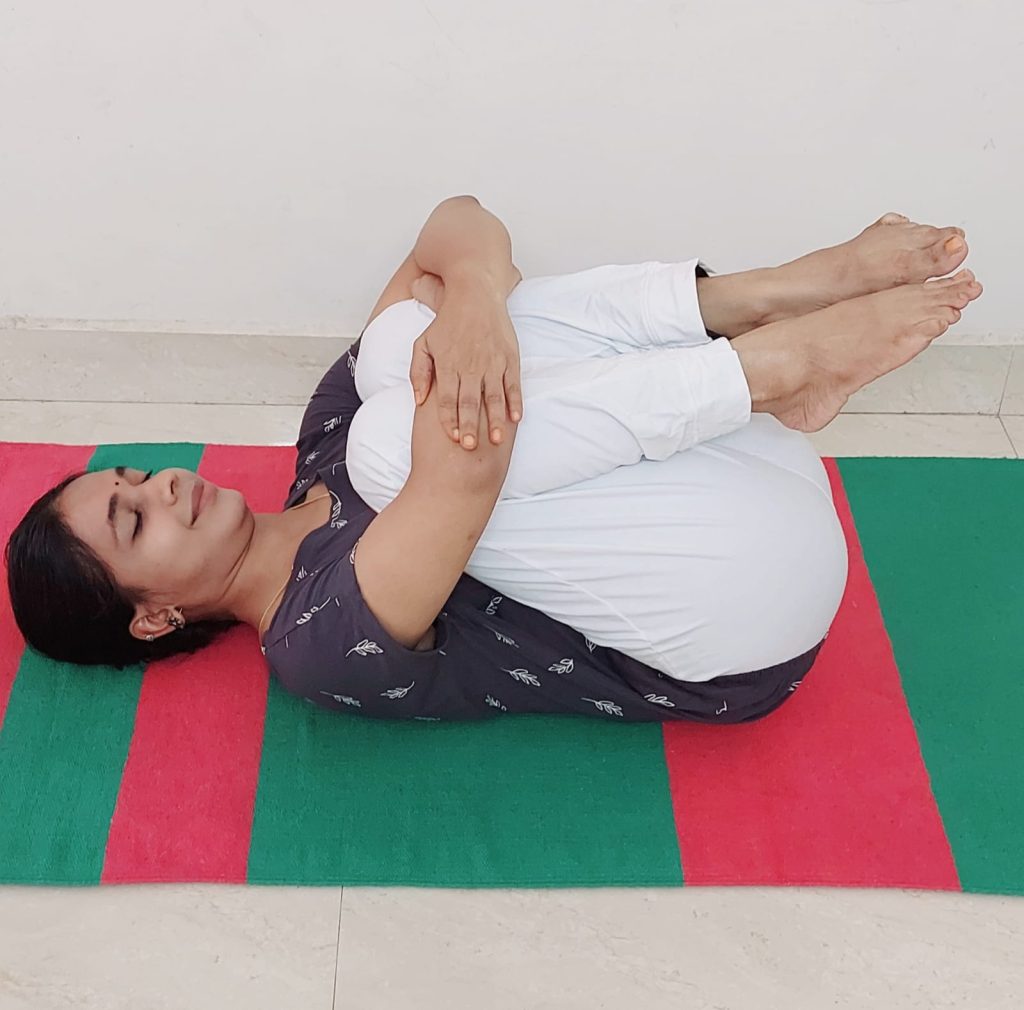
Apanasana (Knee-to-Chest Pose)
Apanasana, or the Knee-to-Chest Pose, gently compresses the abdomen and massages the internal organs, aiding the release of gas and toxins. It relieves constipation, improves circulation to the lower abdomen, and supports the elimination of waste from the body. The posture is also calming, reducing tension in the lower back and promoting relaxation in the nervous system.
While generally safe, those with neck or knee injuries should practice with caution. Pulling the knees too forcefully may strain the hip or lower back. Pregnant women and individuals with abdominal inflammation or hernia should avoid this pose. Slow, mindful movement is key to receiving its full benefit.
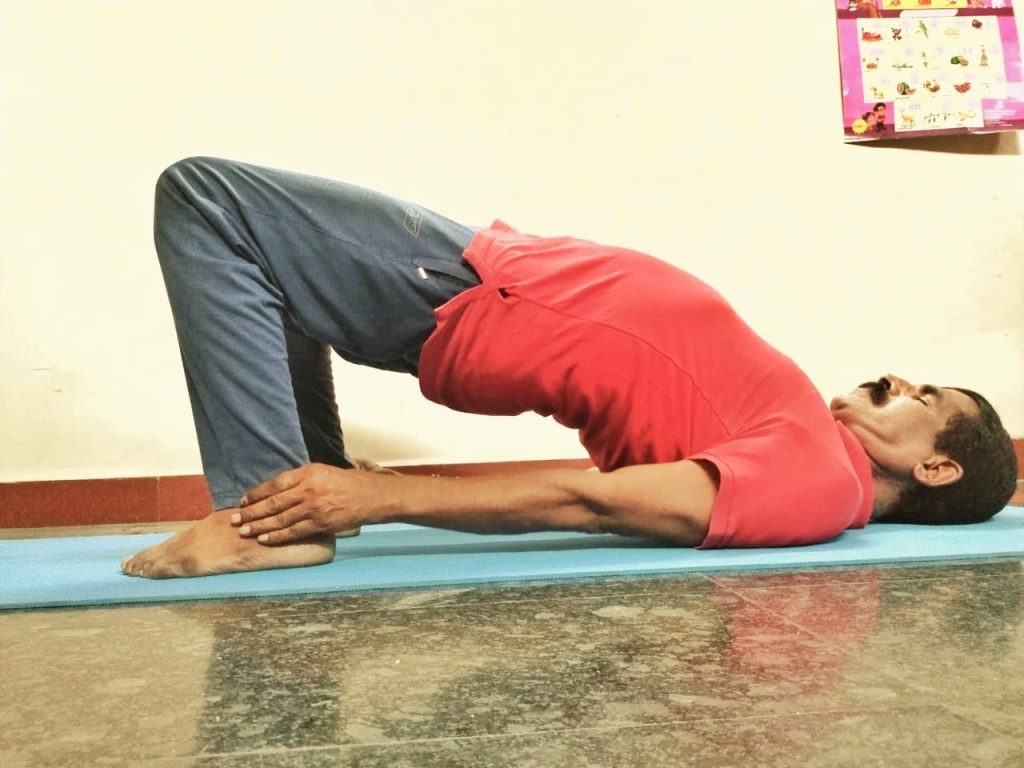
Setu Bandhasana (Bridge Pose)
This asana strengthens the spine, glutes, and thighs while massaging the abdominal organs and stimulating the thyroid gland. It improves digestion, reduces anxiety, and helps balance hormonal activity. By expanding the chest and improving circulation, it also benefits the nervous and respiratory systems, indirectly supporting a healthier gut.
However, individuals with neck injuries, shoulder stiffness, or recent back surgery should avoid lifting too high in this pose. It’s also not advisable for people with uncontrolled high blood pressure or severe migraines. Proper alignment and gradual progression are important to prevent strain.
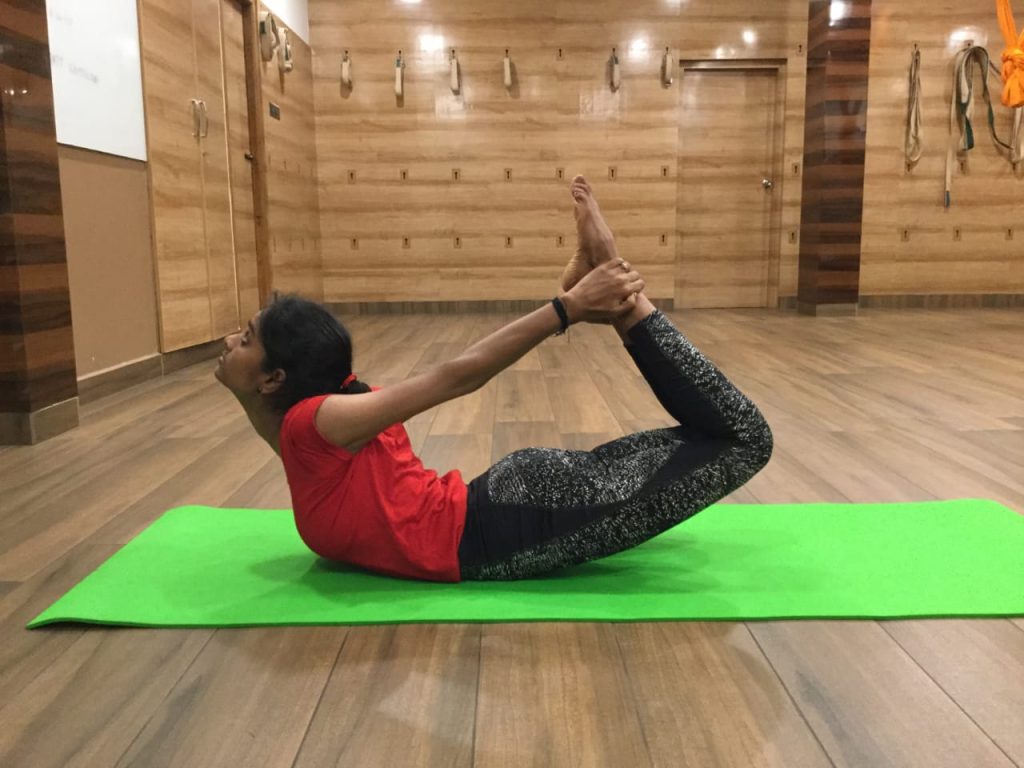
Dhanurasana (Bow Pose)
Dhanurasana, a deep backbend, strengthens the abdominal and spinal muscles, improves posture, and enhances digestive fire. It massages the stomach and intestines, reducing sluggishness and improving nutrient absorption. The pose also stimulates the adrenal glands, helping balance stress hormones and supporting mental and physical vitality.
This posture, however, should be avoided by individuals with hernia, recent abdominal surgery, or chronic back pain. Those with high blood pressure or heart conditions must practice under expert guidance. Overarching or jerky movements can strain the neck and lower spine, so gradual and mindful execution is crucial.